
Hut flair in every season
Seasonal calendar for your hut adventure
Planning a hut holiday in Tyrol, Salzburg, Carinthia, Styria, Lower Austria or East Tyrol? Every season in the Alps brings special experiences with it. Month by month, our seasonal calendar shows you the most beautiful moments in the mountains – from natural spectacles to traditional festivals.
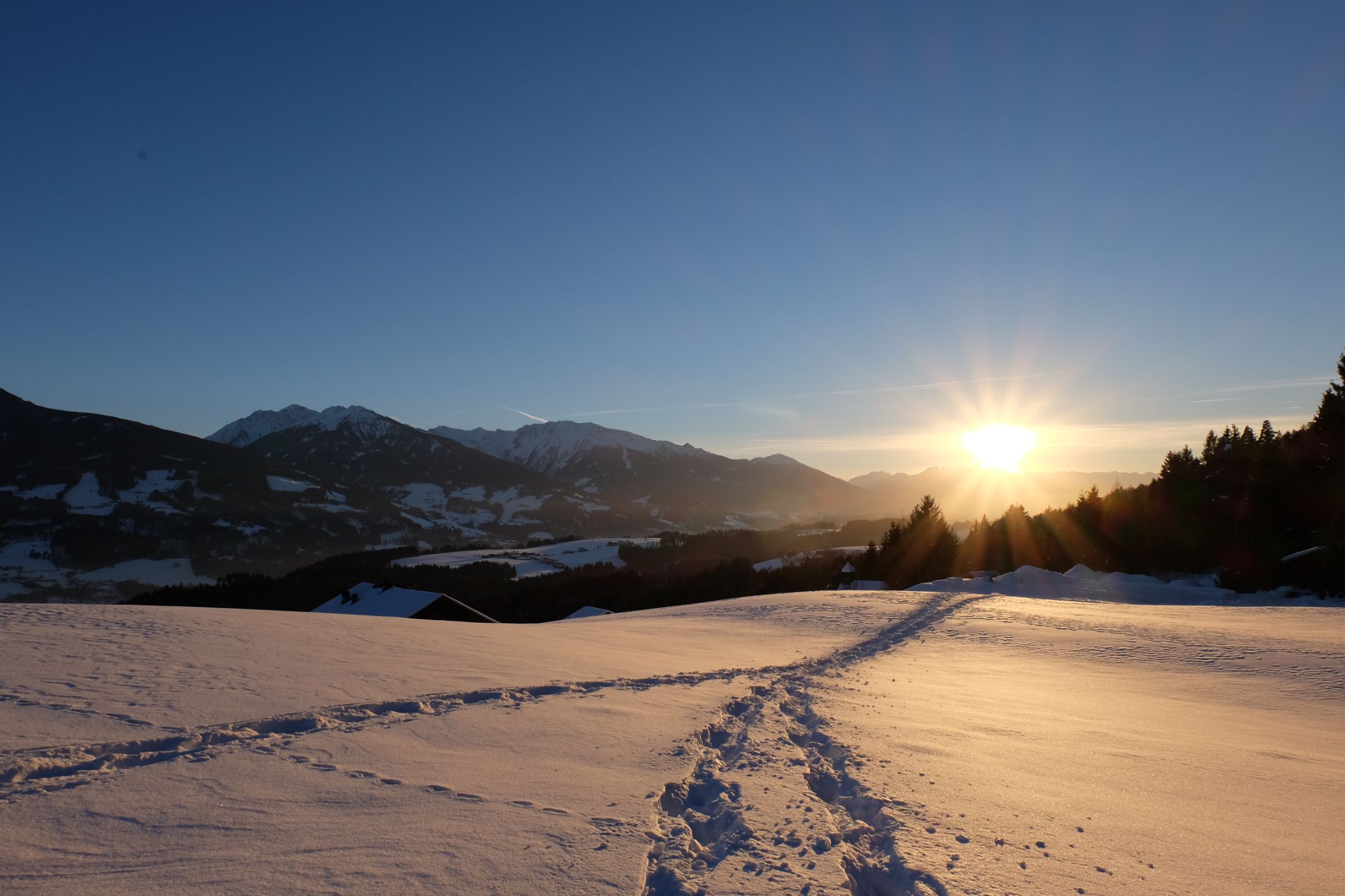
January - winter magic in the Alps
- Game feeding stations in Tyrol and Carinthia: Watch stags and roe deer up close
- Fox mating season: A rare spectacle in snow-covered valleys
- Snowshoe hikes in East Tyrol: Enjoy quiet, untouched snowy landscapes
- Ski touring in the Hohe Tauern National Park: Experience the mountains away from the lifts
- Tyrolean winter festivals: Try tradition, customs and regional Schmankerl (delicacies)

February – Fasching (carnival) and winter dreams
- Stags shed their antlers: A natural event only few get to see
- Fasching in Alpine villages: Mask parades and customs in Salzburg or East Tyrol
- Cross-country skiing in Carinthia and Styria: Perfect trails for sporty days
- Full-moon ski tours: Magical nights in the Tyrolean mountains
- Ice skating on mountain lakes: Romantic winter days in Lower Austria
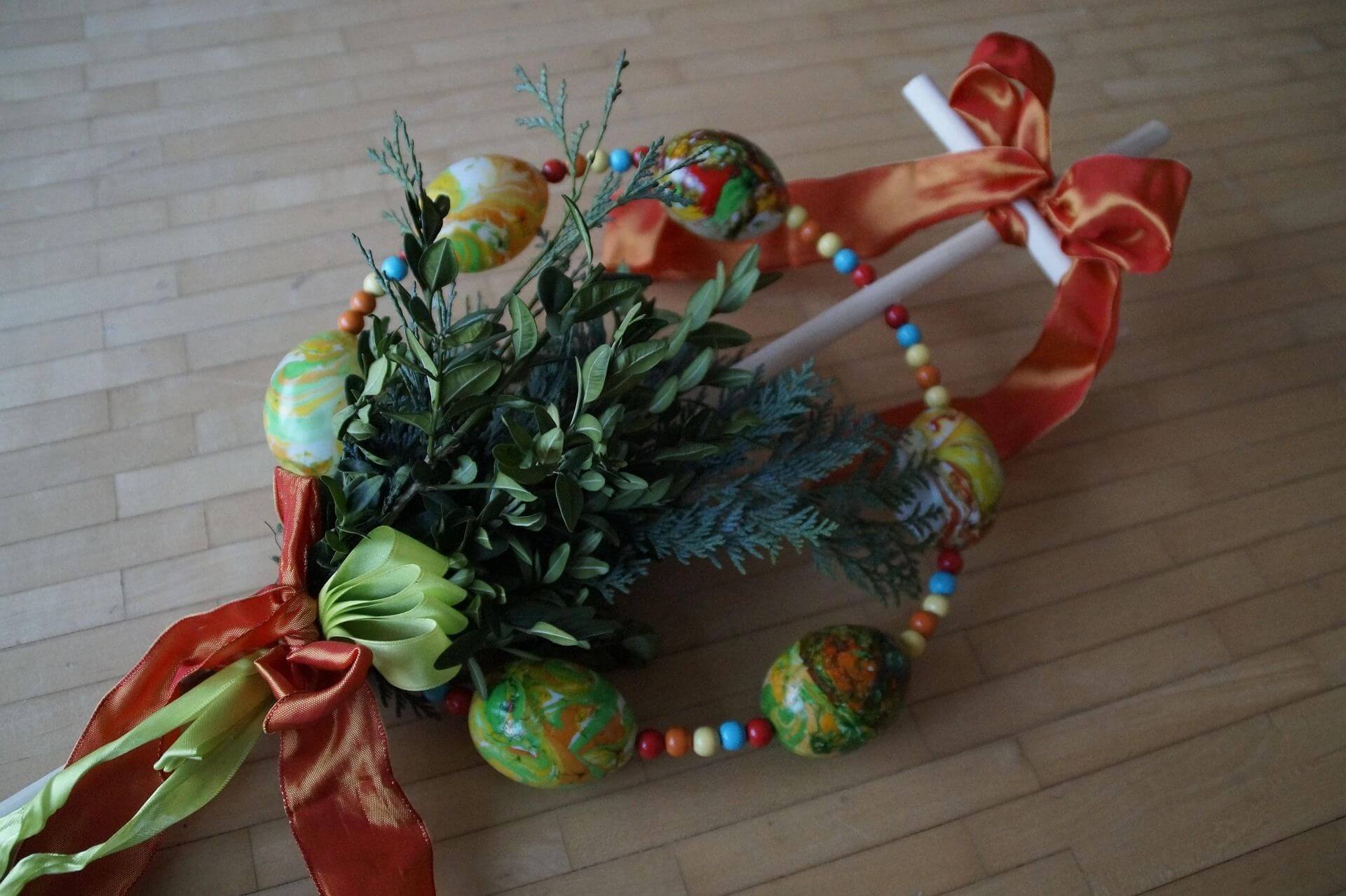
March – heralds of spring and Easter customs
- Alpine crocus and snowdrops: Spring colours on the meadows of Styria
- Spring skiing: Sunny days and firn snow in Tyrol and Salzburg
- Easter customs: Experience Palmbuschen binding and Easter fires
- Spring cuisine: Bärlauch (wild garlic) specialities and regional markets

April – nature awakens
- Platenigl and gentian: Rare Alpine plants at higher altitudes
- Animal babies in the Alps: Fox cubs and hares in spring
- First hikes of spring: Snow-free trails in Lower Austria and Carinthia
- Blooming Alpine meadows: Enjoy colourful landscapes
May – Almauftrieb (cattle drive to the pastures) and blossom splendour
- Roe deer fawns and red deer calves: Observations in the forest
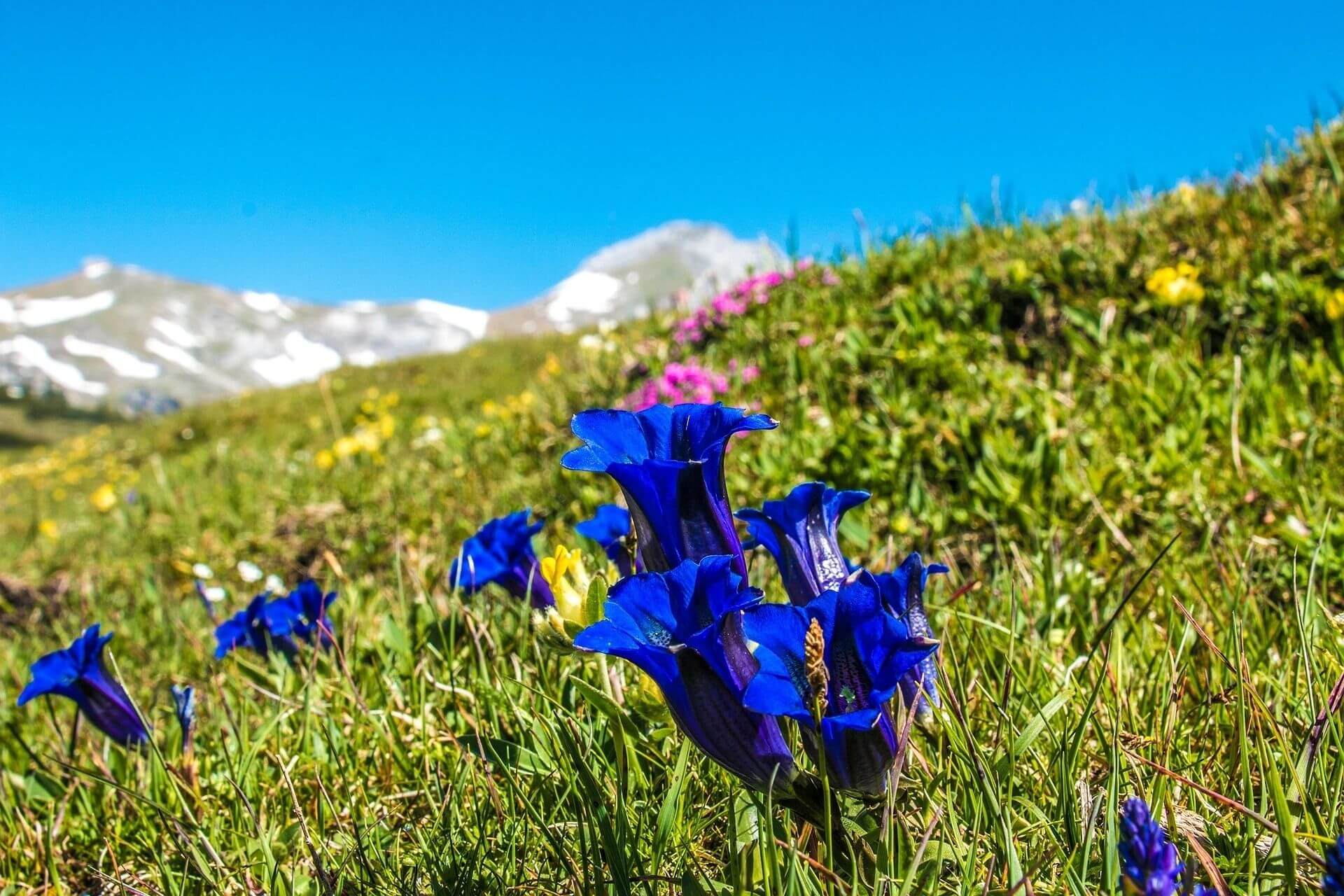
- Gentian bloom: A blue sea from 2,000 m altitude in Tyrol and Salzburg
- Almauftrieb without decorations: Traditional farming life up close
- Springtime pleasure hikes: Herbs, asparagus and regional specialities
- Fruit tree blossom: Photo motifs in Lower Austria and Styria
June – the start of high summer
- Almrosen bloom from 1,500 m: Pink carpets of blossom between Tyrol and East Tyrol
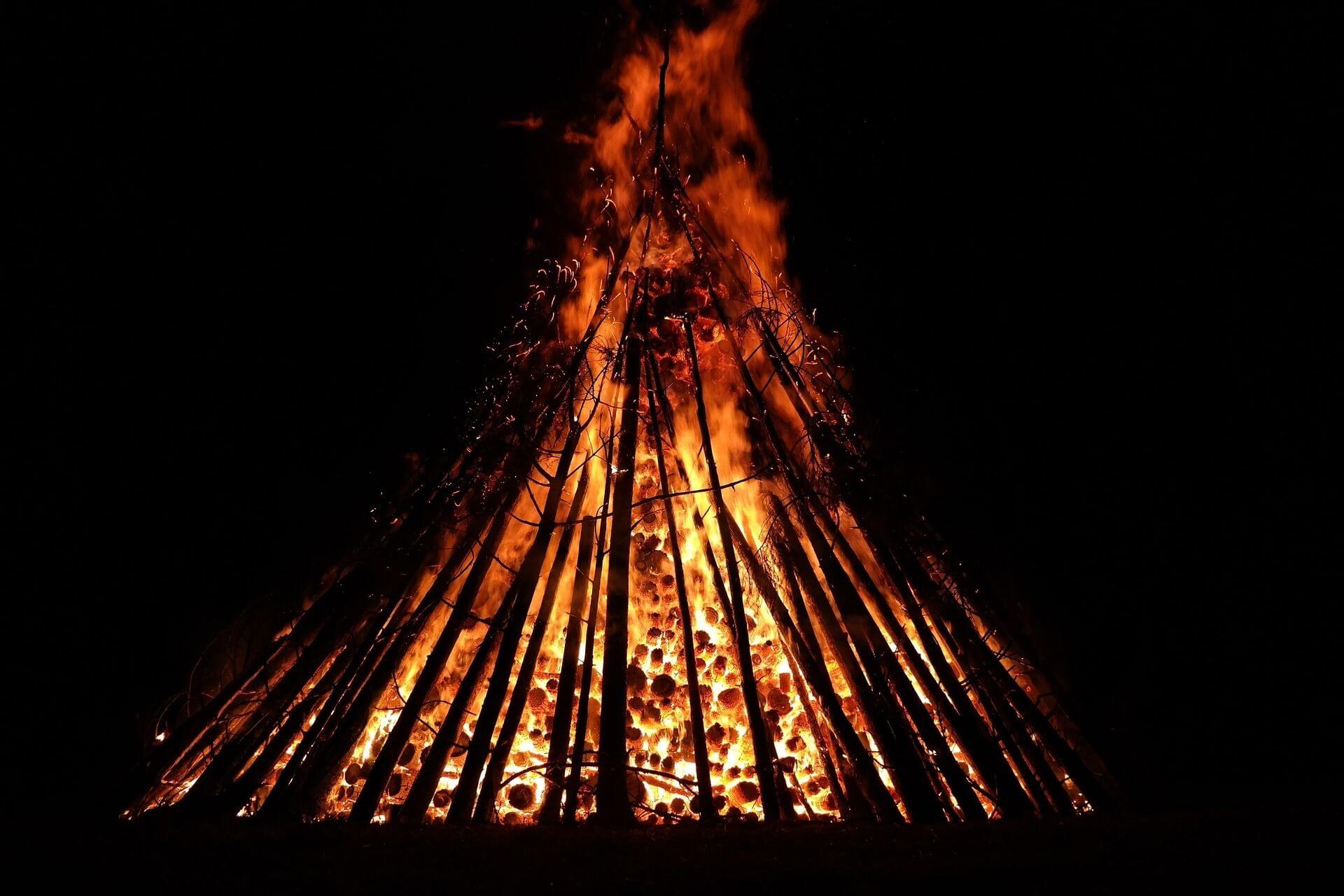
- Solstice fires on the mountain (UNESCO cultural heritage): An impressive ritual in the Alps
- Hiking in early summer: Streams, meadows and clear mountain air
- Mountain biking to rustic huts: Sporty tours in Carinthia and Salzburg

July – Sommerfrische (summer retreat) in the huts
- Mushroom season begins: Gather Steinpilze (porcini) and Pfifferlinge (chanterelles)
- Pick forest berries: Bilberries in the Gesäuse or Hohe Tauern national parks
- Climbing and via ferratas: Adventure for beginners and pros
- Swimming in a mountain lake: Crystal-clear refreshment in Carinthia
- Alm festivals: Dance, music and tradition in summer

August – shooting stars and Kräuterweihe (herb blessing)
- Shooting-star nights (Perseids): A highlight in quiet mountain nights
- Apple harvest and fig season: Enjoyment on lower-lying farms in Styria
- Summer sledding with children: Fun and action in Lower Austria and Salzburg
- Mushrooms and berries: The forest is full of treasures
- Assumption Day: Alpine customs and the Kräuterweihe (herb blessing) on 15 August
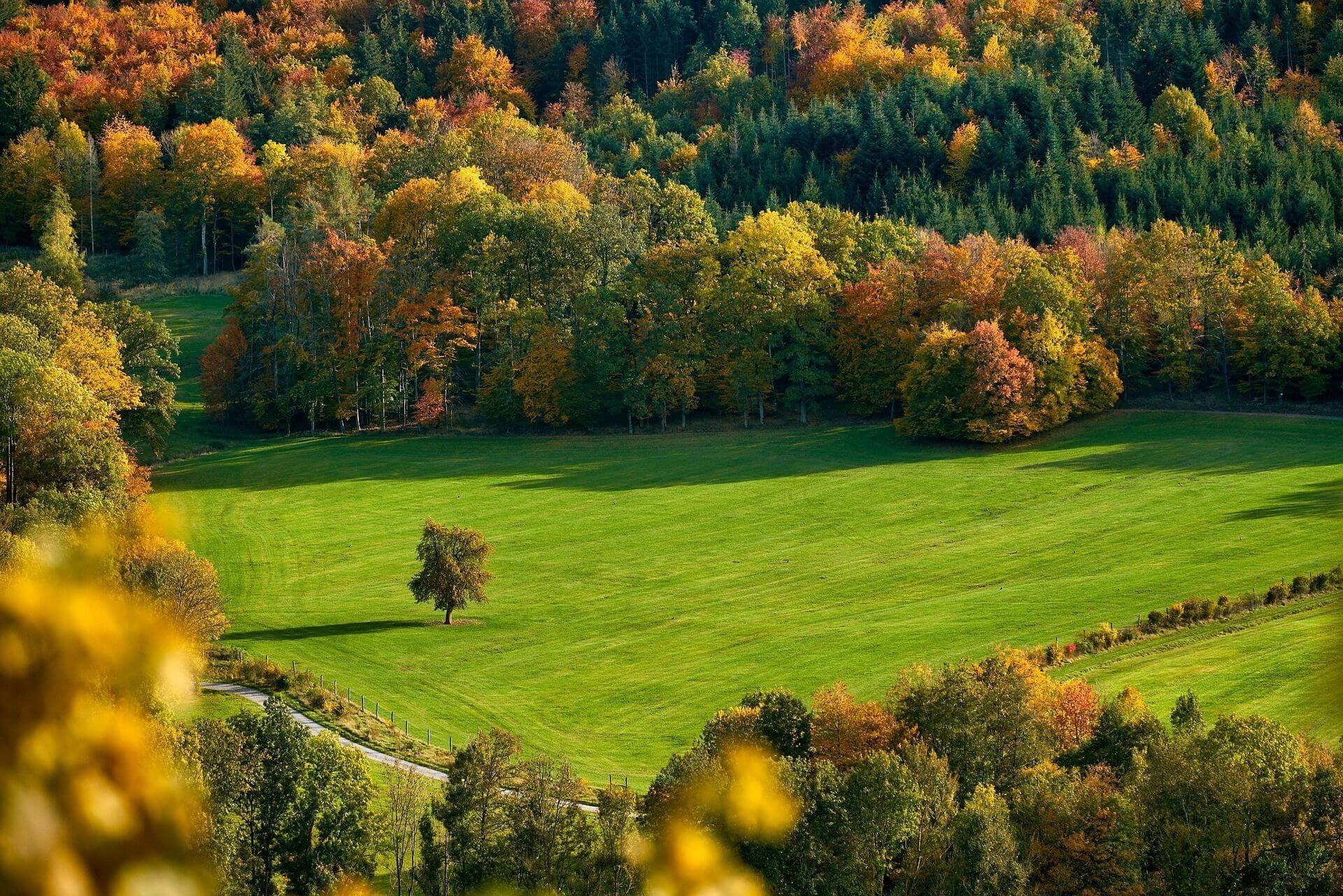
September – autumn gold and the stag rut
- Rutting season of the stags: A unique natural spectacle in the Hohe Tauern National Park
- Almabtrieb (cattle drive): Festive return to the valley with music and traditional dress in Tyrol and Salzburg
- Autumn hikes: Colourful forests and clear mountain air
- Mushroom season: Enjoy Steinpilze and co. one more time

October – harvest thanksgiving and a time of enjoyment
- A blaze of colour in the forests: Golden autumn in Carinthia and Tyrol
- Game season: Enjoy venison, roe deer and chamois dishes in Alm huts
- Chestnut season: Try sweet chestnuts in Styria
- Glacier skiing: First turns in Tyrol and Salzburg
- Harvest thanksgiving parades: Experience tradition in the countryside

November – quiet and customs
- Törggelen in South Tyrol and East Tyrol: Chestnuts, Speck and new wine
- Mystical fog walks: Experience the mood in the valleys
- Christkindlmärkte (Christmas markets) open: The scent of Advent arrives in the Alps

December – Advent and the start of winter
- Christkindlmärkte in Salzburg, Tyrol and Carinthia: A romantic Christmas season
- Game feeding in the snow: Wildlife watching in wintertime
- Ski season begins: Pistes in top condition in Tyrol, East Tyrol and Salzburg
- Krampus runs: A spine-chilling custom in early December
- New Year’s Eve in the mountains: Fireworks over the Alps or quiet hut evenings
Dein Hüttenurlaub in allen Jahreszeiten
Whether you admire the Alpine flowers in spring, discover mountain lakes in summer, experience the stag rut in autumn or set off on ski tours in winter: a hut holiday in Austria is a special experience in every season.
Find your hut by what matters to you
Choose what makes your holiday – and instantly see the matching huts.
Seasonal calendar: What is in season when?
Choose a month and a theme – and discover what is currently growing, being cooked and coming up around your hut. Tip: cards with an arrow can be expanded for more info.
We have no entry for this selection right now – choose “Whole year” or another theme.
Bärlauch (wild garlic)
Aromatic herald of spring in the shady forest – ideal for pesto and soups.
March–April Forest goldWild herbs & dandelion
Young leaves for salad, flowers for syrup and honey.
April–MayFrom late May the cream-white umbels open at the forest edge with a beguiling scent. Pick them on a dry, sunny morning – that is when the aroma is most intense. The flowers become syrup, sparkling wine or crispy Hollerküchle.
Tipp: Only take dry, fully open umbels and do not wash them – otherwise the fine aroma is lost.
To the gathering guide →Small but incomparably sweet: wild strawberries grow on sunny embankments and forest edges. Finding them is a stroke of luck – best nibbled right on the spot. A few are enough to take home for bread and butter or jam.
Tipp: Look where the sun reaches the forest floor: on path embankments and in clearings.
To the gathering guide →From July the slopes turn blue: bilberries – “Schwarzbeeren” in the Alpine region – ripen on low shrubs in open forests. They taste great on their own, in Kaiserschmarrn or as jam, and are guaranteed to stain your fingers.
Tipp: To be on the safe side, wash the berries well or heat them – keyword fox tapeworm.
To the gathering guide →The golden-yellow Eierschwammerl (chanterelle) is the most popular summer mushroom – easy to recognise and hard to confuse. Best young and firm, fried with onion and parsley or as a creamy goulash.
Tipp: Only gather as much as you will actually use – and cut with a knife, do not tear out.
To the recipe: Schwammerlgulasch →On sunny forest edges and clearings, raspberries come first, blackberries a little later. Nibbled fresh or turned into jam and Röster (compote), they are the essence of summer.
Tipp: Long sleeves against the thorns – and the topmost, sun-ripened berries are the sweetest.
To the gathering guide →The Steinpilz (porcini) is the king of edible mushrooms: firm cap, nutty aroma, ideal for frying or drying. From August you find it after warm rainy days in coniferous and mixed forests.
Tipp: Cut into the stem (maggot check) – young, firm mushrooms are the best.
To the gathering guide →Small, red and tart: lingonberries grow on low shrubs in open mountain forests. As compote they are the classic companion to game, Kaiserschmarrn and Nockerl.
Tipp: A berry comb speeds up the harvest – but be gentle so the plant survives.
To the gathering guide →Rose hips & elderberries
Vitamin bombs for purée, syrup and tea.
September–October Forest goldSweet chestnuts (Maroni)
Gather and roast over the fire.
October–NovemberWhen snow lies outside, the hearty Alm stew comes to the table: mountain lentils with tangy Speck, slowly braised – filling and inexpensive.
Tipp: Soak the lentils overnight – they soften faster and are easier to digest.
To the recipe →The tangy Tyrolean Alm soup made from Graukäse warms from within – a classic for cold winter days at the hut.
Tipp: Graukäse is very aromatic – use it sparingly and melt it in slowly.
To the recipe →Crisply fried cheese Knödel in clear beef broth or with Sauerkraut – the perfect meal after a day in the snow.
Tipp: Press the Knödel firmly and fry them golden brown in plenty of clarified butter.
To the recipe →Hearty pasta bake with ham and egg, baked golden brown – a popular classic in winter and during the Fasching season.
Tipp: It tastes best with real Fleckerl (short ribbon pasta) and a crisp top.
To the recipe →Yesterday's leftovers become the hearty Gröstl with Speck, potatoes and a fried egg – reliably warming after a winter's day.
Tipp: Use potatoes from the day before – fried cold, they turn nice and crispy.
To the recipe →Original and rustic: filled pasta pockets with a potato-Topfen filling, served with browned butter.
Tipp: Roll the dough out wafer-thin – that makes the Schlipfkrapfen nice and tender.
To the recipe →Cheesy, hearty and with crispy fried onions – the Vorarlberg national dish is comfort food for cold days.
Tipp: Use tangy Bergkäse and layer the Spätzle with cheese as you go.
To the recipe →The hearty Marende for the ski day: Tiroler Speck, Bergkäse, Kaminwurzen and Bauernbrot – cold, robust, uncomplicated.
Tipp: Slice the Speck thinly – that is how the smoky aroma unfolds best.
To the recipe →Hirschgulasch
Game season: tender game braised in juniper.
Sep–NovFreshly gathered Eierschwammerl become a creamy goulash – hearty, yet a true summer dish. A Semmelknödel or Serviettenknödel goes well with it.
Tipp: Clean the Schwammerl dry only, do not soak them – otherwise they turn mushy.
To the recipe →Mostviertler Birnenschmarrn
Autumnal, made from ripe Most pears.
Sep–OctSummer in a jar: forest and garden berries are preserved and keep their flavour into winter. Fresh on Bauernbrot or in Kaiserschmarrn.
Tipp: Setting test on a cold plate – if the drop holds, the jam is ready.
To the recipe →Mild summer evenings outside the hut call for the grill: regional meat, sausages and vegetables, with bread and a cool drink.
Tipp: Shop at the local butcher – they often have ready-marinated specialities.
To the recipe →When the Alm meadows bloom, the bees bring in the aromatic mountain honey. Spread on fresh Bauernbrot with butter, it becomes the simplest and best Jause of the summer.
Tipp: Buy directly from the beekeeper in your holiday region – it does not get more regional.
To the recipe →In the Alm summer the Bergkäse mature to full flavour. A board with different varieties, butter and bread is the perfect end to a hiking day.
Tipp: Take the cheese out of the cold half an hour before serving – it unfolds its aroma at room temperature.
To the recipe →The filled pasta pockets with Topfen and mint are a Carinthian summer classic – light, fresh and still filling.
Tipp: The typical “Krendl” edge takes practice – but the crooked ones taste good too.
To the recipe →Whether after a hike or as a sweet dinner – fluffy Kaiserschmarrn always works. In summer especially good with fresh forest berries instead of Zwetschkenröster.
Tipp: Instead of Röster, simply mix in freshly gathered bilberries.
To the recipe →The airy Mehlspeise also works in the hut kitchen – and with fresh berries from the forest it becomes a summer dessert.
Tipp: Serve immediately – Nockerl collapse after just a few minutes.
To the recipe →Home-baked Bauernbrot fills the whole hut with its scent. Fresh with butter and honey, later as the basis for a hearty Jause.
Tipp: Start the day before – a long, cool rise makes for a better crust.
To the recipe →Fast descents on floodlit natural sledding runs – after the climb it is a spirited ride down to the valley, often with a stop at a hut on the way.
Tipp: Hire a sled with steerable runners and wear sturdy shoes with good tread.
Matching huts →Trudging through deep snow-covered forests away from the pistes – silence, untouched landscape and your own trail in the snow. Especially beautiful in East Tyrol.
Tipp: The early afternoon has the most beautiful light – and poles help enormously in deep snow.
Matching huts →In lasting cold, mountain lakes turn into mirror-smooth natural ice – ice skating with a mountain panorama.
Tipp: Only skate on approved, checked ice surfaces – natural ice is never entirely without risk.
Matching huts →From a leisurely Alm walk to a summit tour: summer is hiking time. The trails are free of snow, the huts are open, the views are endless.
Tipp: Start early – in the mountains, thunderstorms often threaten in the afternoon.
More activities →Clear mountain lakes and swimming ponds invite you to cool off on hot days – often in a breathtaking setting between meadows and summits.
Tipp: Mountain lakes are fresh even in high summer – short and brave is the motto.
More activities →Secured routes take even less experienced climbers into steep terrain – thrills with a grand panorama.
Tipp: Via ferrata set, helmet and gloves are a must – when in doubt, go with a mountain guide.
More activities →Alm roads, trails and tours through forest and meadow – by bike or e-bike you explore the mountain world under your own steam.
Tipp: E-bikes can be hired in many villages – making even the long climb a pleasure.
More activities →The best children’s adventure costs nothing: stacking stones at the stream, building dams, floating little boats. Hours of fun right outside the hut.
Tipp: Pack a change of clothes and waterproof shoes – getting wet is part of it.
More activities →Advent & mountain Christmas
Quiet Christmas markets and hut magic.
December ExperiencesKrampus & Perchten runs
Wild traditional runs in the Advent season.
DecemberWhen hoarfrost settles on branches and grasses, the whole landscape glitters. The deep snow-covered calm around the hut is an experience in itself.
Tipp: The most beautiful hoarfrost moments come in the early morning with fog and frost.
Easter customs
Palmbuschen (palm bundles), Easter fires and Ratschen (rattles).
March–AprilIn early summer the farmers move up to the Almen with their cattle. The ringing of bells across the meadows marks the start of the Alpine summer – celebrated in many places with a small festival.
Tipp: Ask your host – they often know when and where the drive takes place nearby.
In late June the alpine roses – “Almrosen” in popular speech – turn whole slopes bright red. One of the most beautiful natural spectacles of the mountains; the bloom moves with altitude: the higher, the later.
Tipp: At mid-altitudes between 1,500 and 2,000 m the bloom is densest.
Around the summer solstice in late June, the solstice fires blaze on the mountains – an ancient custom celebrating the longest days of the year.
Tipp: From the hut you often have the best view of the fires on the opposite slopes.
Around Assumption Day on 15 August, herb bundles are bound and blessed in church – a custom meant to bring protection and blessing.
Tipp: Nine to thirty herbs traditionally go into the bundle – lady's mantle and yarrow are almost always included.
Stag rut
The bellowing of the stags in the forests.
Sep–Oct ExperiencesAlmabtrieb & harvest thanksgiving
Decorated cows and thankful festivals.
Sep–Oct ExperiencesAutumn gold & far views
Golden forests and clear sweeping views.
OctoberAt the game feeding stations in Tyrol and Carinthia, stags and roe deer come to the feeding spot in winter – a rare opportunity to experience the shy animals up close.
Tipp: Only with a guide, quietly and at a distance – that way the animals remain undisturbed.
In midwinter the Ranzzeit begins – the mating season of the foxes. In the snow-covered valleys you hear their barking and, with luck, spot their tracks and their play in the snow.
Tipp: Dusk and dawn are the best times: foxes are mainly active in the morning and evening.
Climb with skins and enjoy untracked slopes – ski touring in the Hohe Tauern National Park is pure mountain experience, far from the bustle of the lifts.
Tipp: Check the avalanche report, carry transceiver equipment and, when in doubt, go with a guide.
Matching huts →From Perchten runs to rustic village festivals: the Tyrolean winter is full of tradition, customs and regional Schmankerl.
Tipp: Ask your host about dates in the area – the most beautiful festivals are not in any brochure.
Tyrol region →This is the nature calendar. There is a counterpart from the farms’ point of view: what is being worked on at the same time, when the animals go up to the Alm and when it is really quiet up there can be found in the farm year in the calendar.